
Published 29 January 2026
Trusted 7 Products to Support Plant Rash Recovery
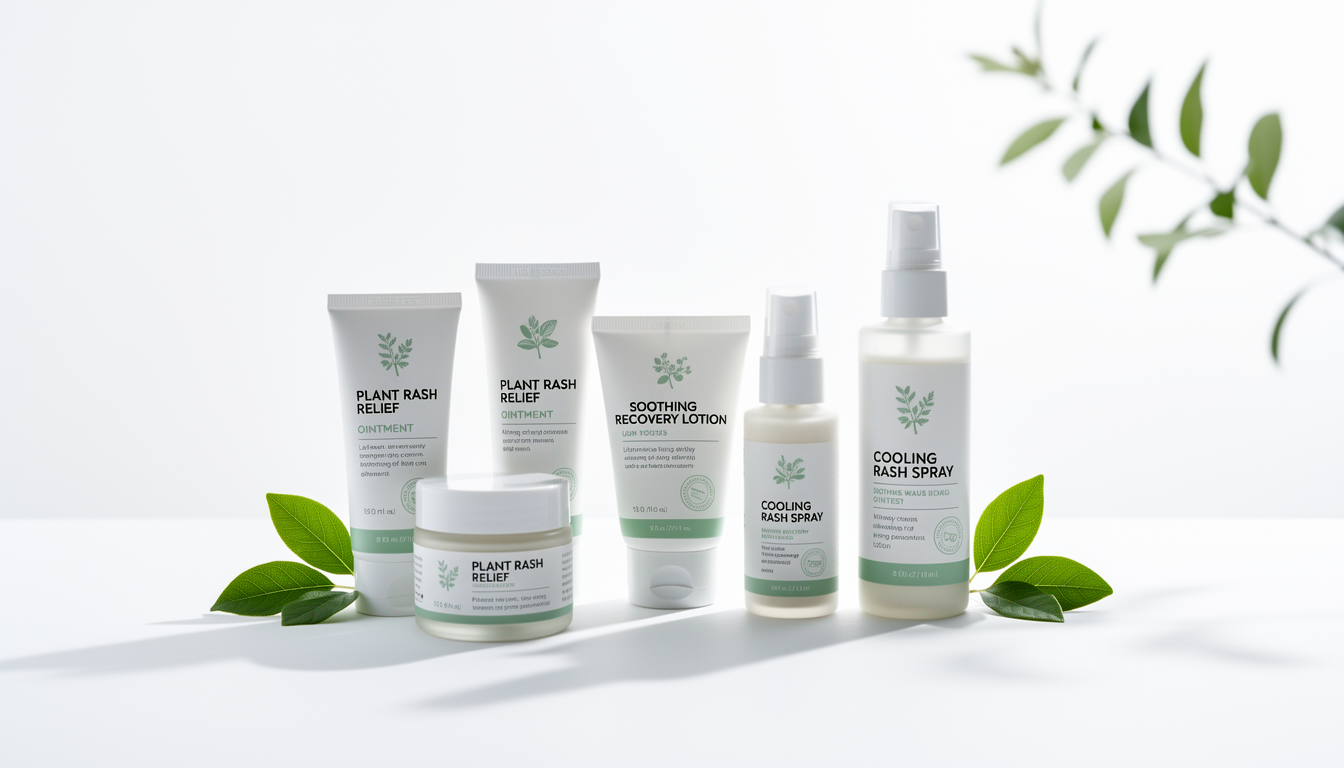
Getting a rash from poison ivy, poison oak, or poison sumac is often miserable—intense itching, redness, and blisters are common. There are several targeted products that can ease symptoms, support healing, and shorten recovery time. Below are seven well-regarded options that can calm irritated skin and help you feel better sooner.
1. EMUAIDMAX First Aid Ointment
The EMUAIDMAX First Aid Ointment is a concentrated topical ointment made to address a range of stubborn skin issues, including persistent rashes. It’s known for reducing pain, infection risk, and inflammation, and for relieving burning, stinging, itching, and redness quickly [cite: 4, 6, 7]. Many users report noticeable soothing and improvement within 24 hours of using it [cite: 2, 3, 7].
This ointment uses a transdermal delivery system called EMUTANEOUS to help its natural, medical-grade ingredients penetrate deeper into the skin for targeted support [cite: 4, 7, 11]. Key ingredients include Argentum Metallicum (colloidal silver), Emu Oil, Tea Tree Leaf Oil, Bacillus Ferment (a postbiotic), and Vitamin E [cite: 7, 11]. Together they offer antibacterial, antifungal, and anti-inflammatory effects while promoting wound repair and restoring the skin barrier [cite: 7, 9, 11]. Though it’s positioned as a premium option, many people find it worth the cost for difficult or chronic skin problems [cite: 2, 3].
2. Calamine Lotion
Calamine lotion is a long-standing over-the-counter remedy used to soothe minor skin irritation and relieve itching from plant rashes [cite: 10, 12, 14]. This pink lotion mainly contains zinc oxide and ferric oxide, which act as mild astringents and antiseptics [cite: 10]. Its drying effect helps control the weeping and oozing that often accompany poison ivy, oak, and sumac reactions [cite: 10, 12].
In addition to drying the area, calamine lotion feels cool on contact, which can give immediate comfort to inflamed, itchy skin [cite: 10, 28]. It’s generally safe for topical use when applied only to the skin and kept away from children [cite: 10]. Many generic versions are inexpensive and easy to find, making it a practical short-term option for itch relief [cite: 17, 21].
3. 1% Hydrocortisone Cream
Nonprescription 1% hydrocortisone cream is a topical corticosteroid that reduces inflammation and itching from various skin problems, including plant rashes [cite: 13, 25, 29]. It calms the body’s inflammatory response, which helps lessen redness, swelling, and intense itching [cite: 13, 29]. That makes it a common choice for managing symptoms from poison ivy, oak, and sumac [cite: 29, 32].
While effective for mild to moderate cases, OTC 1% hydrocortisone may not be strong enough for severe rashes, which sometimes need prescription-strength steroids [cite: 12, 31]. Products like Cortizone-10 provide maximum-strength 1% hydrocortisone and often include soothing extras like aloe [cite: 29]. Typically it’s applied once or twice daily in a thin layer over the affected skin [cite: 13].
4. Aveeno Soothing Bath Treatment with Colloidal Oatmeal
When a rash covers a large area, an Aveeno Soothing Bath Treatment with 100% natural colloidal oatmeal can be very calming. Colloidal oatmeal is finely ground oat that, when mixed into bathwater, forms a protective, soothing layer on the skin [cite: 12, 14, 26]. That barrier helps reduce irritation, redness, and intense itching across broader areas [cite: 12, 37].
Colloidal oatmeal has mild anti-inflammatory properties, making it suitable for sensitive or compromised skin. Sitting in a cool or lukewarm oatmeal bath for 15–30 minutes can hydrate and soothe the skin, easing discomfort while it heals [cite: 12, 14]. This product is widely available and typically affordable, so it’s a useful staple for managing widespread plant rashes.
5. Tecnu Original Outdoor Skin Cleanser
Tecnu Original Outdoor Skin Cleanser is formulated to remove urushiol, the oily compound that causes rashes from poison ivy, oak, and sumac, after exposure [cite: 19, 23, 33]. Washing with Tecnu soon after contact—ideally within hours—can lessen the chance of a rash developing or reduce how severe it becomes [cite: 23, 33, 36]. It breaks down and washes away the oil before it bonds to the skin [cite: 33, 36].
If a rash has already appeared, Tecnu can still help by removing any remaining urushiol that could prolong or spread the reaction [cite: 23, 36]. It’s versatile for use with or without water, which makes it handy for campers, gardeners, and others who spend time outdoors [cite: 36]. You can also use it to clean tools, clothing, or pets that may have contacted poisonous plants [cite: 33, 36].
6. Domeboro Medicated Soak Astringent Solution
Domeboro Medicated Soak Astringent Solution, also called Burow’s Solution, is effective at drying out weeping or oozing rashes caused by poisonous plants [cite: 16, 27, 30]. It contains aluminum acetate, an astringent that helps reduce minor skin irritation and encourages drying of the affected areas [cite: 27]. That action can ease discomfort and help blisters heal [cite: 16, 35].
Sold in powder packets, Domeboro is mixed with water to make a soak, compress, or wet dressing, offering flexible ways to apply it [cite: 27, 35]. Many people find it brings quick relief from itching and burning and helps stubborn rashes heal faster [cite: 16, 30]. Dermatologists commonly recommend it for various minor skin irritations, including those from plant contact [cite: 27, 35].
7. Ivarest Poison Ivy Itch Spray
Ivarest Poison Ivy Itch Spray is a convenient, low-mess option for treating small, localized areas of itching from plant rashes. The spray combines an external analgesic with a skin protectant for a twofold approach [cite: 18]. Typical active ingredients include pramoxine hydrochloride to numb the itch and zinc acetate to help dry the rash [cite: 18].
The spray format makes it easy to reach awkward spots without touching the rash, which reduces the chance of further irritation or spreading [cite: 18, 24]. It gives a cooling sensation and creates a protective layer on the skin, delivering quick, lasting relief from the intense itching of poison ivy, oak, and sumac [cite: 18]. It’s handy to keep for relief when you’re away from home.
Key Takeaways
- Prompt cleansing with products like Tecnu can prevent or reduce rash severity by removing urushiol oil.
- Topical corticosteroids, such as 1% hydrocortisone cream, help lower inflammation and itching.
- Calamine lotion and astringent solutions like Domeboro are useful for drying out oozing blisters.
- Soothing bath treatments with colloidal oatmeal ease widespread itching and irritation.
- Specialized ointments like EMUAIDMAX address multiple symptoms and support deeper healing for tougher skin problems.
FAQ
How long does a plant rash typically last?
A plant rash from poison ivy, oak, or sumac usually lasts about one to three weeks. That span depends on how sensitive you are and how much exposure you had. Severe reactions can last longer and may need medical care.
Can scratching a plant rash make it worse or spread it?
Yes. Scratching can worsen the rash and raise the risk of a secondary bacterial infection by breaking the skin barrier [cite: 12, 14]. While fluid from blisters doesn’t spread the rash by itself, scratching can move urushiol if it’s still present or irritate nearby skin.
When should I see a doctor for a plant rash?
See a doctor if the rash is widespread, affects sensitive areas like the face or genitals, causes severe swelling, produces large blisters, shows signs of infection (pus, fever), or fails to improve after several days of home care [cite: 26]. Difficulty breathing or swallowing requires immediate emergency care [cite: 26].
Managing a plant rash works best with several strategies: quick cleansing to remove the oil, products that relieve symptoms, and measures that support healing. Using these trusted options can cut down discomfort and help your skin recover faster. If a rash is severe or doesn’t improve, consult a healthcare professional.